“Ethiopian coffee producing area” search results (900)

Boutique coffee beans Ethiopian coffee Yega Xuefei unique flavor full of taste
When it comes to Ethiopia, everyone may think of the word poverty. Yes, Ethiopia's economy has become depressed after the destruction of the civil war and the test of periodic droughts. But these do not affect its pursuit of coffee quality. Ethiopia is also an important coffee producer in the world in terms of quantity and quality. Be able to export some of the world
2016-01-08 Boutique coffee beans Ethiopia coffee Yega Chevy flavor unique taste
Description of Flavor of High-quality Coffee beans in Ethiopian Coffee Variety producing area
Ethiopia has a unique flavor that is different from other flavors and provides customers all over the world with a wide range of taste choices. In the highlands of southwestern Ethiopia, the Kaffa, Sheka, Gera, Limu and Yayu Senri coffee ecosystems are considered the hometown of Arabica coffee. this
2016-09-23 Ethiopia coffee variety producing area boutique coffee beans flavor description introduction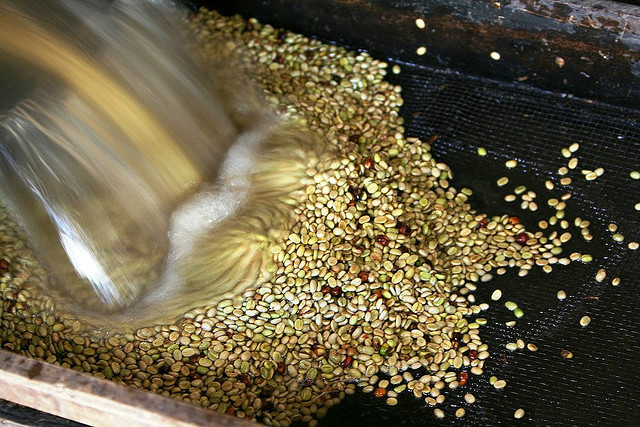
The name of Yejia Shefi and Sidama Ethiopian Coffee The birthplace of Yejia Shefi Kocher
Ethiopian coffee, as the birthplace of coffee, is known in the coffee world for its unique flavor and rich coffee gene pool. Among them, Yirgacheffe, Sidamo and Harar are the most famous. Yirgacheffe's reputation washed Yirgacheffe is the most classic and best showcase of fine coffee. Unique citrus wind
2016-03-31 Yega sherry naming sida ethiopia coffee origin yega
Sweet and lovely Ethiopian Coffee introduced varieties Fine Coffee beans Flavor and Taste producing area
This kind of coffee grows in areas ranging from 1400 to 1800 meters above sea level. This kind of coffee is natural or sun-cured; it is weakly moderately acidic, the fruit is full, and the average quality is good; the smell is fragrant and mellow; one drop in the mouth, endless aftertaste. It is estimated that out of 127000 hectares of cultivated area, the average annual production of this coffee is 70000 tons (equivalent to 1.17 million bags of 60 kg coffee). Earl.
2016-09-23 Sweet human Ethiopia coffee introduction variety boutique coffee beans flavor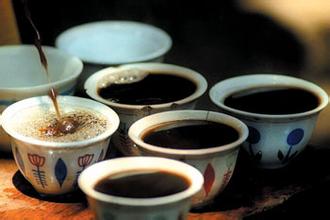
Detailed Analysis of four cultivation Systems of Ethiopian Fine Coffee
According to the following four different modes of production, Ethiopian coffee can be divided into nine major coffee producing areas, including five boutique coffee areas: Sidamo, Yegashefi, Harald, Lim and Lekampidi, and four general commercial bean producing areas: Gemma, Irugbagbo, Tibby and Bekaa. The sun or water washing methods are used in each district, and different treatment methods also affect the flavor.
2015-11-27 Ethiopia boutique coffee big four cultivation system detail analysis
World boutique coffee farm beans; Harald mocha (part 1) in Ethiopia has a delicate and rich taste
[product name]: Ethiopia Harald Mocha (Ethiopia Harar Mokha) [quality rating]: DP Grade 4 [baking]: recommended moderate baking (Medium Roast or City Roast) [grade]: excellent [granule]: ★ full [acidity]: ★★★★ slightly sour, dark chocolate aftertaste [balance]: ★★★★ is very stable
2015-12-22 World boutique coffee manor Ethiopia Harald Rahl mocha taste
Good average quality; aromatic and full-bodied Ethiopian coffee plantation taste characteristics
Ethiopian coffee beans grow in a near-natural environment. After years of cultivation under the same growing conditions, Ethiopian coffee beans have gradually adapted to the environment here. More than 60% of coffee beans are forest or semi-forest grown coffee. Coffee farming villages produce about 35 percent of the country's coffee.
2016-09-13 average good quality smell mellow thick ethiopian coffee estate producing area
Variety characteristics of naturally fermented sun-cured Ethiopian coffee introduction to the flavor of fine coffee beans in the manor
Ethiopia has unique natural conditions suitable for growing all imaginable varieties of coffee. As a upland crop, Ethiopian coffee beans are mainly grown in areas between 1100 and 2300 meters above sea level, roughly distributed in southern Ethiopia. Deep soil, well drained soil, weakly acidic soil, laterite and soil are soft and contain
2016-09-01 Natural fermented solarization Ethiopia coffee variety characteristics taste manor
Taste characteristics of natural Ethiopian coffee fermented in the sun introduction to the flavor of fine coffee beans in the manor
Ethiopia has unique natural conditions suitable for growing all imaginable varieties of coffee. As a upland crop, Ethiopian coffee beans are mainly grown in areas between 1100 and 2300 meters above sea level, roughly distributed in southern Ethiopia. Deep soil, well drained soil, weakly acidic soil, laterite and soil are soft and contain
2016-09-03 Sun fermentation Natural Ethiopia Coffee Taste Variety characteristics Manor
Twelve famous high-quality coffee producers in Ethiopia
The coffee tree originated in Ethiopia, which was originally a wild plant here, and the name coffee comes from the Ethiopian town of Kaffa. Humans may have known how to grow coffee trees as early as the 9th century. Coffee producing area in Ethiopia: many coffee trees in Ethiopia are still wild plants, and the coffee grown on this coffee tree is full of grains.
2015-06-01 Famous twelve quality coffee origin Ethiopia
Other Ethiopian coffee producing areas
Tiebi and Beibei Card: Tiebi's altitude is 1,000 ~ 1,900 meters, Beibei Card is 900~ 1,200 meters. The second zone is located at the edge of the Kafa Forest and is the coffee producing area with the lowest average altitude in Ethiopia. It is dominated by bulk commercial beans or formula beans. There is also a lot of wild coffee in Tibby. Coffee in this area is less used as boutique or single-serve beans. Kimby and Lekamp Land: Rim heading northwest, but
2015-04-01 Ethiopia coffee other producing area iron ratio babe ratio altitude 000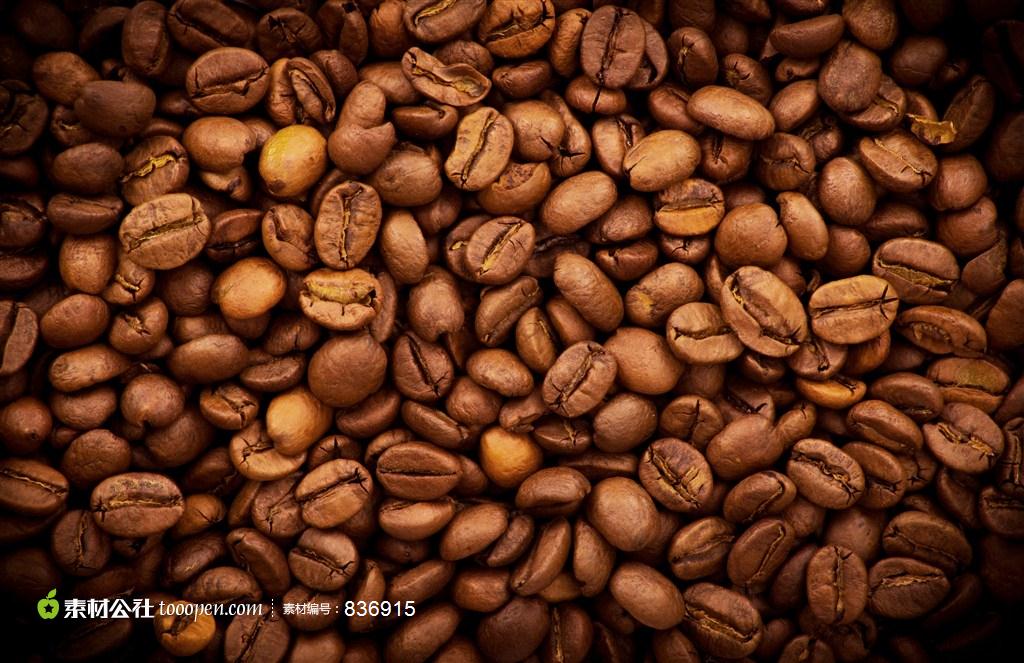
Introduction to the flavor of high-quality coffee beans in the manor characteristics of natural Ethiopian coffee fermented in the sun
Ethiopia has unique natural conditions suitable for growing all imaginable varieties of coffee. As a upland crop, Ethiopian coffee beans are mainly grown in areas between 1100 and 2300 meters above sea level, roughly distributed in southern Ethiopia. Deep soil, well drained soil, weakly acidic soil, laterite and soil are soft and contain
2016-09-05 Sun fermentation natural Ethiopia coffee taste variety manor characteristics
The taste of fresh and bright Ethiopian coffee flavor manor features boutique coffee introduction
In February 1977, Lieutenant Colonel Mengistu Haier Maryam (MENGISTU HAILE MARIAM) launched a military coup and served as Chairman of the interim military Administrative Council and head of State. In 1979, the Ethiopian Labor people's Party Organization Committee, dominated by soldiers, was established to implement an one-party system. In 1984, the Ethiopian Workers' Party was formed according to the Soviet Communist Party model. Mengistu, September 1987
2016-08-26 Taste Xinming bright Ethiopia coffee flavor manor producing area characteristics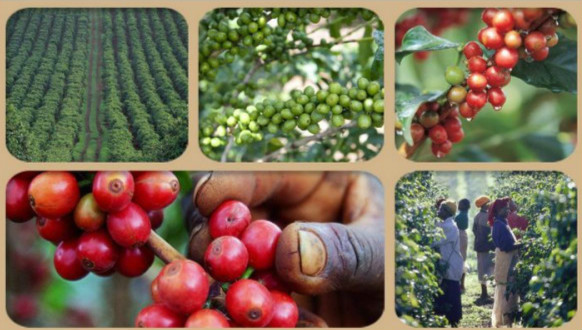
Yega Sheffield Sun treatment Class in Ethiopia Coffee producing area Magi BenchMaji Esseobi
Ethiopia coffee producing area mainly has eight major coffee producing areas: Ekempti, Limu, Illubabor, Djimma, Harrar, Teppi/Bebeka, Sidamo, Yirgacheffe. Ethiopian coffee is highly rated in Taiwan, especially when compared with Ethiopia's Harrar, Sidamo and Yirgacheffe.
2016-04-18 Ethiopia Coffee producing areas Yega Sheffield Solar processing Banki Maggie
Introduction to Ethiopian Coffee from the producing area of Fine Coffee
Ethiopia is one of the major producers of Arabica coffee in Africa, producing the best Arabian coffee in the world. It is said that coffee was first discovered by shepherds in Essekafa, and the name of coffee evolved from Kafa, so Essex is still the hometown of coffee. The geographical environment of coffee production and processing is very suitable for coffee growth. Coffee is mainly cultivated.
2015-04-14 Boutique coffee origin Ethiopia introduction
Ethiopian coffee
Ethiopia is the hometown of Arabica coffee, and it is in the forests of Kaffa that you can see wild Arabica coffee. In Ethiopian, coffee is called "Bun" or "Buna". Coffee beans (coffee bean) may be translated from "Kaffa Bun". Arabica coffee was discovered early in the Harald area.
2014-06-23 Coffee knowledge Ethiopia Coffee Encyclopedia
Introduction to the characteristics of grinding degree of Ethiopian coffee bean name manor producing area flavor description treatment method
Ethiopian coffee bean flavor description method introduces Ethiopia, known as the birthplace of coffee, which has a history of coffee origin and traditional agricultural cultivation techniques. It is said that the English word coffee also comes from the place name kaffa in Ethiopia. Legend has it that around 900 AD, a shepherd in the Cafa region of Ethiopia was grazing in the mountains.
2016-10-21 Ethiopia coffee beans name manor producing area flavor description processing
Introduction to the characteristics of Ethiopian Coffee Flavor Manor with mellow and charming taste
Although the Ethiopian Yirgacheffe coffee is petite, it is gentle and delicate and sweet. As the hometown of coffee, thousands of years of planting history and processing tradition in Ethiopia have created high-quality washed Arabica beans. Light baking has unique sweet aromas of lemon, flowers and honey, soft acidity and citrus flavors, fresh and bright on the palate. No.
2016-09-07 Taste mellow charm unique Ethiopia coffee flavor manor producing area
Ethiopian Coffee Features Ethiopian Coffee Flavor Boutique Coffee
Ethiopian coffee beans grow in a near-natural environment. After years of cultivation under the same growing conditions, Ethiopian coffee beans have gradually adapted to the environment here. More than 60% of coffee beans are forest or semi-forest grown coffee. Coffee farming villages produce about 35 percent of the country's coffee. Many of these are used.
2016-07-27 Ethiopia Coffee Characteristics Flavor Boutique Coffee Bean Grown in
Introduction to the Manor characteristics of Ethiopian Coffee Flavor varieties and Fine Coffee Bean producing areas
In September 1974, a group of young officers formed the Coordination Committee of the Army, the Police and the Local Army (DERGUE, meaning SHADOW, and later generally referred to as the junta and the Mengistu regime) launched a military coup to overthrow the government of Haile Selassie and announced the end of monarchy and the establishment of an interim junta. In November, the interim military junta was changed to the interim military Administrative Council. In December, interim military administration
2016-09-23 Ethiopia coffee flavor variety boutique coffee beans producing areas manors characteristics